One of the most common misconceptions in the flooring industry is that engineered hardwood is somehow ‘fake’ or inferior to solid hardwood. This couldn’t be further from the truth. Both products contain real wood — the difference is in how that wood is structured, and that structural difference has significant practical implications for where and how each product can be installed. Understanding the distinction will help you make a more confident, informed decision for your home.
What Is Solid Hardwood?
Solid hardwood is exactly what it sounds like: a single, solid piece of milled wood from top to bottom. A standard solid hardwood plank is 3/4 inch thick, though thinner options (5/16 inch and 1/2 inch) exist. Because the entire plank is wood, solid hardwood can be sanded and refinished multiple times over its lifetime — typically 3–5 refinishes depending on the thickness — which is why a well-maintained solid hardwood floor can last 50–100 years or more. Solid hardwood is typically installed using a nail-down or staple-down method directly to a wood subfloor. It requires the subfloor to be at or above grade (not in a basement), and it is sensitive to moisture and humidity fluctuations. In humid climates like North Carolina, solid hardwood will expand and contract seasonally, which is normal and expected — but it means the floor needs to be properly acclimated before installation and the home’s humidity needs to be reasonably controlled year-round.
What Is Engineered Hardwood?
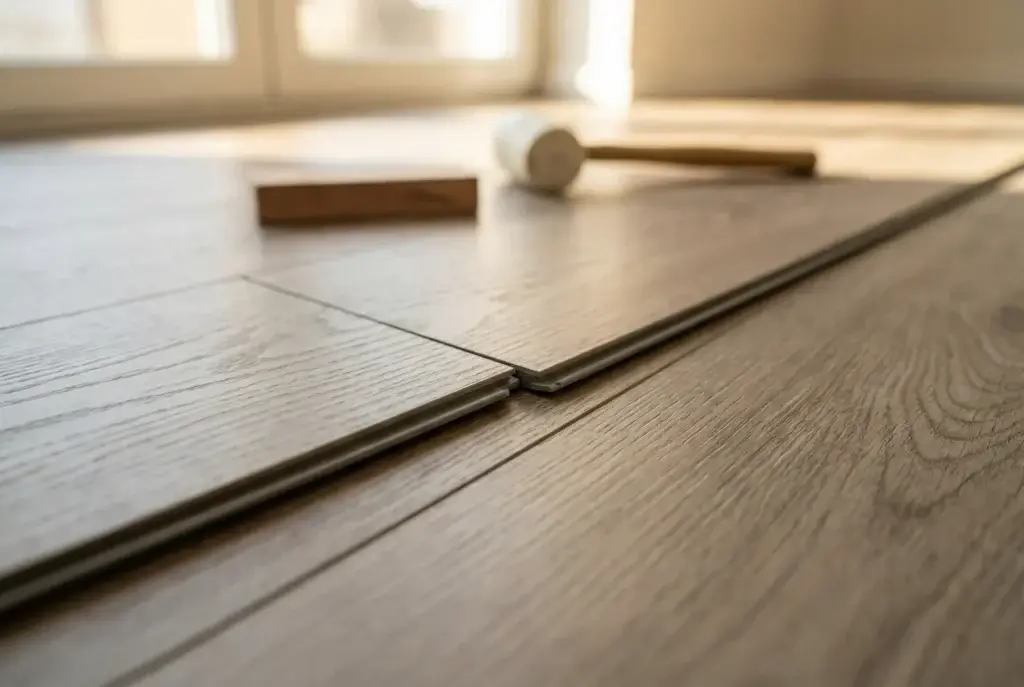
Engineered hardwood is a multi-layer product. The top layer — called the veneer or wear layer — is a slice of real hardwood, typically 2–6mm thick depending on the product tier. Beneath it are multiple layers of plywood or high-density fiberboard (HDF), oriented in alternating grain directions. This cross-ply construction is what makes engineered hardwood dimensionally stable. Because the layers pull against each other, the plank resists the expansion and contraction that solid hardwood is prone to. This stability opens up installation environments that solid hardwood can’t tolerate: basements, slabs, spaces over radiant heat, and high-humidity areas. Engineered hardwood can be installed as a floating floor (no adhesive or fasteners), glued down, or nailed/stapled, giving installers more flexibility.
The Veneer Thickness Question
One of the most important specs to evaluate when comparing engineered hardwood products is the veneer thickness. A thicker veneer means more real wood on the surface — and more material available for sanding and refinishing. Budget engineered products may have a veneer as thin as 0.6mm, which cannot be refinished at all. Mid-range products typically have 2–3mm veneers, allowing one refinish. Premium engineered products with 4–6mm veneers can be refinished 2–3 times, bringing their longevity much closer to solid hardwood. When shopping for engineered hardwood, always ask about the veneer thickness and the manufacturer’s refinishing recommendations.
Appearance: Can You Tell the Difference?
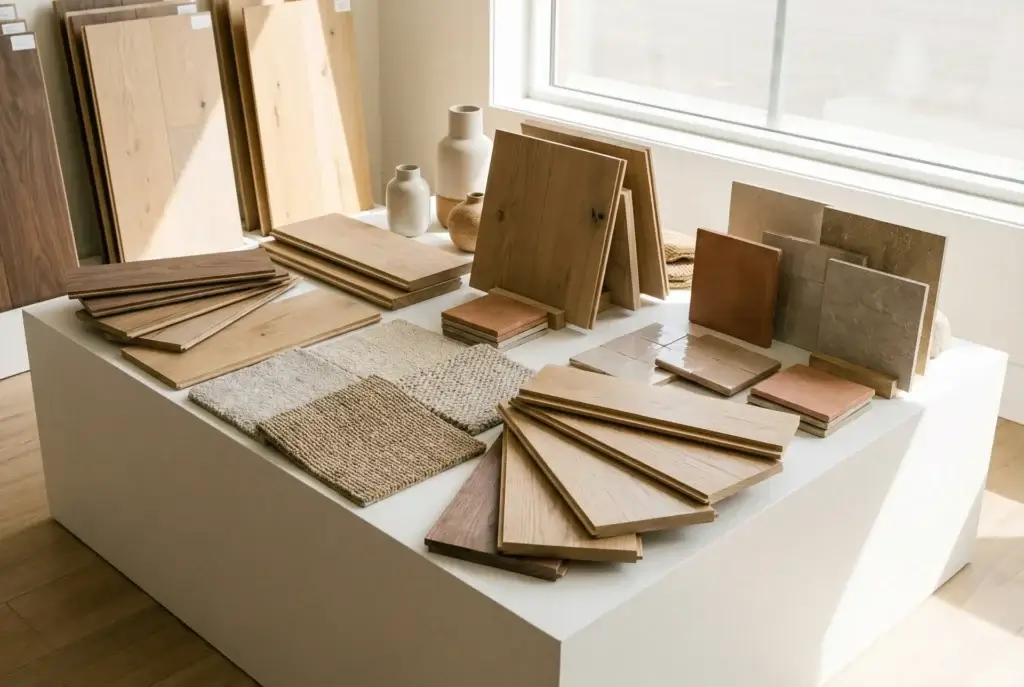
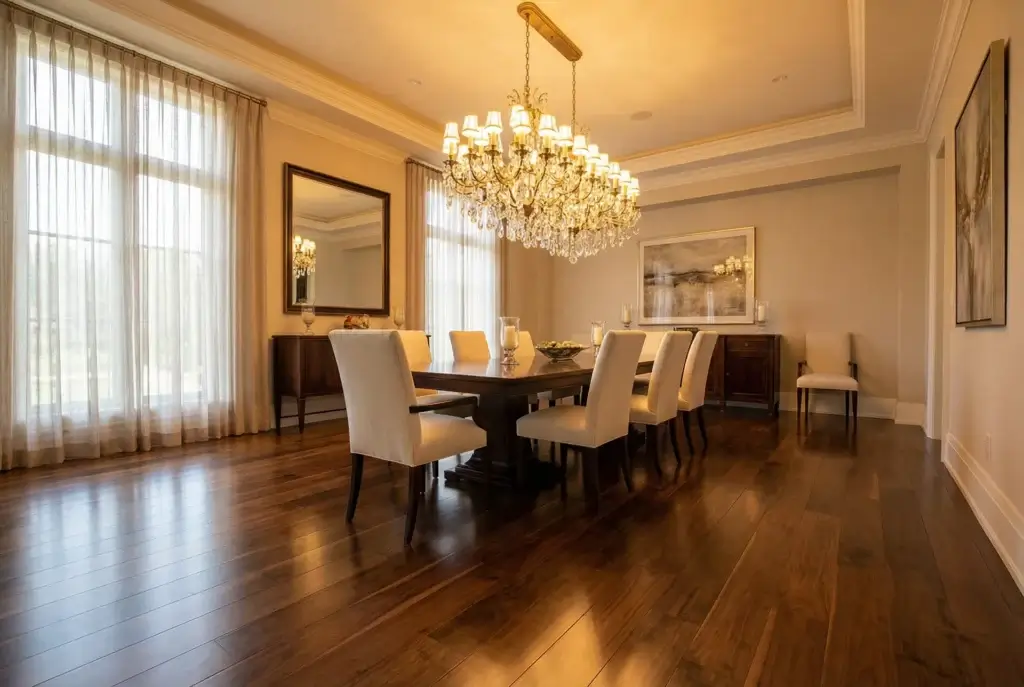
In most cases, no — you cannot tell the difference between a quality engineered hardwood and solid hardwood by looking at the surface. Both products use the same species, the same stains, and the same finish technologies. The grain, texture, and color of the surface are determined entirely by the veneer species, which is identical to what you’d find in solid hardwood. The only visual difference you might notice is at the edges: solid hardwood shows a uniform wood cross-section, while engineered hardwood shows the layered plywood core. In a finished installation, this is never visible.
Cost Comparison
Solid hardwood is generally more expensive than engineered hardwood at comparable quality tiers, though this gap has narrowed significantly in recent years as engineered technology has improved. Premium engineered hardwood from top manufacturers can cost as much or more than entry-level solid hardwood. The more meaningful cost comparison is total installed cost, which includes subfloor preparation, installation method, and any moisture mitigation required. Engineered hardwood’s flexibility often reduces these ancillary costs, particularly in challenging installation environments.
Which Is Right for Your Home?
If you’re installing above grade, have a wood subfloor, and plan to stay in the home for decades, solid hardwood is a compelling long-term investment. Its refinishing potential and longevity are unmatched. If you’re installing in a basement, over a slab, over radiant heat, or in a high-humidity environment, engineered hardwood is the more practical and often the only viable choice. For most above-grade installations in a climate like Raleigh’s, either product can work beautifully — the decision often comes down to budget, subfloor conditions, and personal preference.
The Bottom Line
The ‘engineered vs. solid’ debate is less about quality and more about fit. Both products are real wood, both are beautiful, and both can last for decades with proper care. The right choice is the one that matches your specific installation environment, your lifestyle, and your long-term plans for the home.